
How to Plan an Outdoor Living Space: A Practical Guide
An ideal outdoor living area helps transform the average garden into a real territory for active recreation. Depending on your needs, outdoor design gives an opportunity to plan a place where you can enjoy meals with family, invite friends, relax after a long day, or just utilize your backyard as efficiently as possible.
Planning an outdoor living area is more than simply establishing a patio or placing outdoor furniture and a fireplace there. One has to analyze how the area is to be used, how people are to move there, how much shade or privacy you need, and how the elements of the area are going to work together.
If you’re wondering how to plan an outdoor living space, start with these practical steps.
1. Determine how you want to use the area
Before selecting any materials or outdoor structures, ask yourself how you want to use the area.
Do you want to have dinner outside? Do you need a comfy place to relax? Or do you need somewhere to have fun with your guests? Also, you may want a barbecue spot, or a poolside
For example, a family that likes eating outside may need a big dining area, while those who enjoy hosting guests may want more seating and room to gather.
You don’t have to create a separate space for every activity. The most important thing is to analyze the activities that matter most to you before creating the layout.
2. Evaluate Your Backyard
Take a good look at your property before deciding where anything should go.
Start with the size and shape of the available space. Then identify existing patios, decks, walkways, trees, fences, gardens, and other features that will affect the design.
Pay attention to conditions that can easily be overlooked.
Where does the sun hit throughout the day? Which areas stay shaded? Is there a lot of wind? Are there parts of the yard where water collects after rain? Do you need more privacy from neighboring properties?
Also look at how the backyard connects to your home. A space directly outside the kitchen may be ideal for dining or outdoor cooking, while another part of the yard may work better as a quiet seating area.
3. Create Functional Outdoor Zones
One of the easiest ways to organize an outdoor living space is to divide it into zones.
Instead of treating the backyard as one large area, give different sections a purpose.
Seating and Lounge Area
Create a comfortable area for conversation and relaxation with outdoor sofas, chairs, benches, or lounge furniture.
Leave enough room around the furniture so people can move comfortably.
Dining Area
If you enjoy outdoor meals, create a dedicated dining area. Choose a table that fits the number of people who will normally use it and leave enough space for chairs to be pulled out easily.
Outdoor Cooking Area
Your cooking area could be as simple as a grill or as extensive as a complete outdoor kitchen.
Depending on your needs, you may include counter space, storage, a sink, refrigerator, or bar seating.
Gathering or Fire Feature Area
A fire pit or outdoor fireplace can provide a natural focal point for evening gatherings. Make sure there is comfortable seating around it without interfering with other areas of the yard.
The goal isn’t to create as many zones as possible. It’s to create the right zones for the way you use your backyard.
4. Plan Traffic Flow
Once you know where the different zones will be, think about how people will move between them.
Imagine walking from your kitchen to the outdoor dining area with a plate of food. Is the route easy? Can guests move from the seating area to the yard without walking through the cooking space?
Keep major pathways open and avoid putting large furniture or structures where they will interrupt movement.
Good traffic flow often goes unnoticed because it simply feels natural. Poor traffic flow, on the other hand, can make even a beautiful outdoor space frustrating to use.
5. Plan for Sun, Shade, and Weather
Outdoor comfort depends heavily on the conditions around your property.
Pay attention to the sun at different times of day. A seating area that feels comfortable in the morning may become too hot later in the afternoon.
Depending on your yard, shade can be provided by:
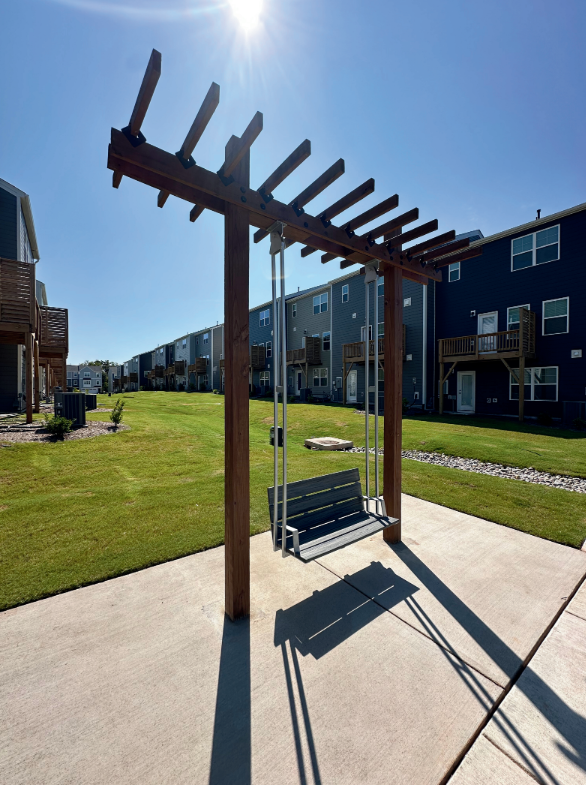
- Pergolas
- Covered patios
- Umbrellas
- Retractable shade
- Trees
- Landscaping
Weather protection may also be important. If rain or strong sun frequently keeps you indoors, a covered area can make your outdoor living space much more useful.
Plan shade and weather protection early rather than trying to add them after the rest of the project is complete.
6. Choose Hardscape Materials
The patio, deck, walkway, or other hardscape creates the foundation for your outdoor living area.
Common choices include concrete, pavers, natural stone, brick, tile, wood, and composite decking.
Don’t choose a material based only on how it looks. Think about how the area will be used, how much maintenance you’re comfortable with, and how well the material works with your home.
The hardscape should also provide a visual connection between the house and the backyard. Coordinating colors, textures, or materials can make the entire property feel more cohesive.
7. Choose Outdoor Furniture That Fits
Furniture should fit the layout rather than dictate it.
Measure your space before buying large pieces. A sectional that looks perfect in a showroom could overwhelm a small patio, while undersized furniture can make a large area feel empty.
Depending on your needs, you might include:
- Outdoor sofas
- Lounge chairs
- Dining chairs
- Benches
- Side tables
- Coffee tables
- Bar stools
Choose furniture that is comfortable and appropriate for outdoor conditions. Also think about where cushions and accessories will be stored when they aren’t being used.
Most importantly, don’t overcrowd the space. Leaving some open areas makes the backyard easier to navigate.
8. Add Outdoor Lighting
Your outdoor living space can be just as useful in the evening as it is during the day.
Outdoor lighting can improve visibility while creating a comfortable atmosphere.
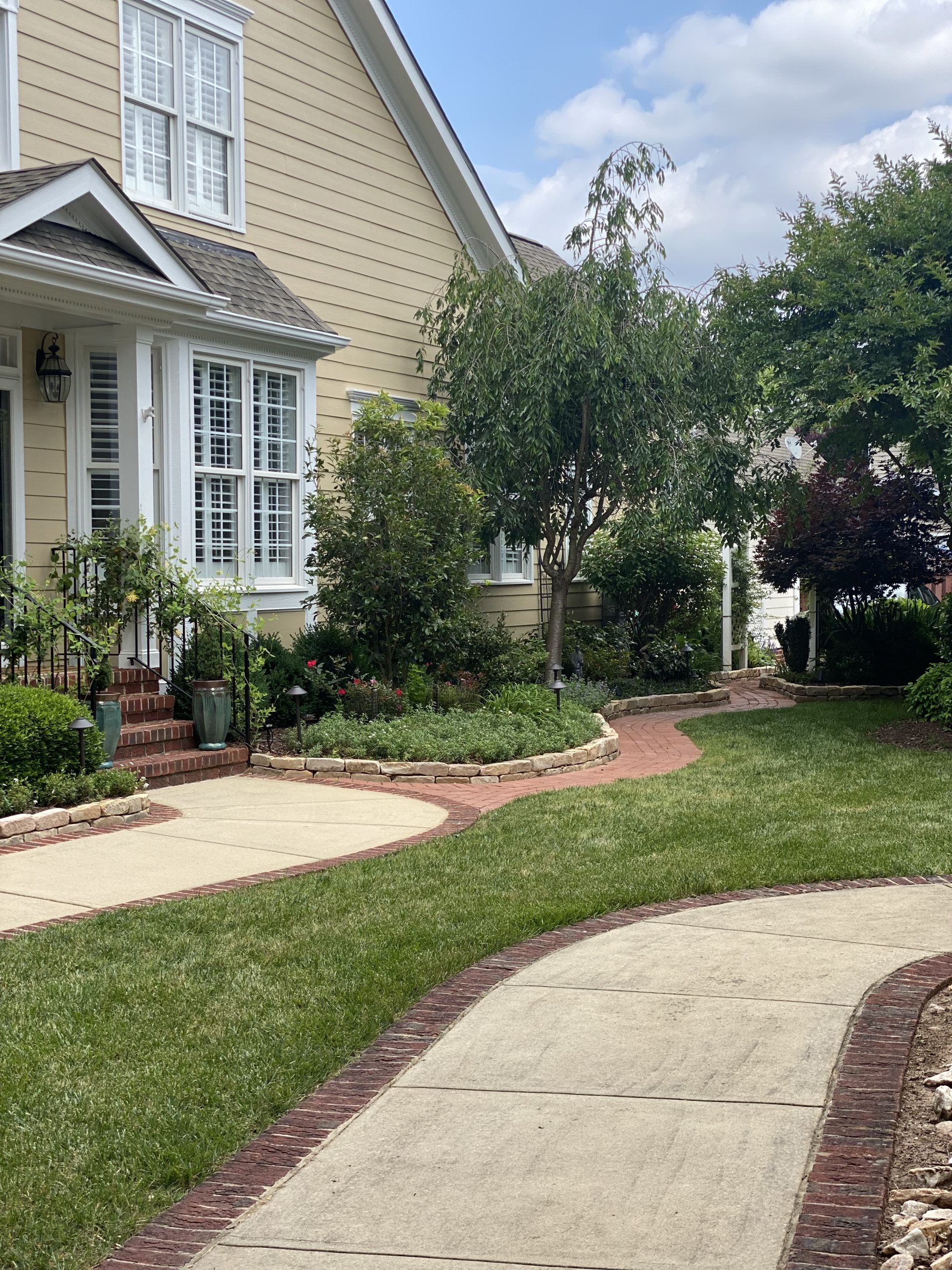
Different areas may require different types of lighting. Path lights can help define walkways, task lighting can make cooking easier, and accent lighting can highlight trees, landscaping, or architectural features.
Seating areas can benefit from softer ambient lighting that creates a welcoming atmosphere without making the space feel overly bright.
Planning lighting along with the overall design makes it easier to place fixtures where they will actually be useful.
9. Use Landscaping for Privacy and Style
Landscaping can soften hard surfaces and make an outdoor living space feel more connected to the rest of the yard.
Trees, shrubs, flowers, and other plants can help define different areas, add color and texture, and create privacy.
If neighboring properties are visible from your seating or dining area, consider using:
- Trees
- Shrubs
- Hedges
- Privacy screens
- Trellises
- Fencing
- Tall planters
You don’t necessarily need to completely enclose the backyard. A few strategically placed plants or screens may be enough to make the area feel more private.
10. Choose Features You Will Actually Use
There are many outdoor features available, but you don’t need to include all of them.
Depending on your lifestyle, you might consider:
- Outdoor kitchens
- Fire pits
- Outdoor fireplaces
- Pergolas
- Bars
- Pools
- Spas
- Water features
- Built-in seating
- Outdoor entertainment
- Patio heaters
Think about what you’ll realistically use.
If you rarely cook outside, an elaborate outdoor kitchen may not be worthwhile. If your family enjoys spending evenings together outdoors, comfortable seating, lighting, shade, and a fire feature may be more useful.
A few purposeful features will usually make more sense than filling the yard with things you don’t need.
11. Consider Privacy and Connection to Your Home
An outdoor living space should feel like a natural extension of your home.
You can create that connection by coordinating colors, materials, furniture styles, and architectural details between the house and backyard.
Privacy is equally important. Consider what the outdoor space looks like from neighboring properties before deciding where to place your main seating and dining areas.
With the right combination of landscaping, fencing, screens, and thoughtful placement, you can create a private space without making the backyard feel closed off.
12. Plan for Storage, Maintenance, and Your Budget
Don’t forget the practical side of outdoor living.
Decide where you’ll store cushions, furniture covers, gardening tools, grill accessories, games, and other outdoor items.
You should also think about how much maintenance you’re willing to handle. Choose materials, furniture, and landscaping that fit the amount of upkeep you can realistically manage.
Finally, establish a budget before choosing major features.
Separate your plans into:
Must-haves: Features you need.
Nice-to-haves: Features you’d like to include.
Future additions: Features you may add later.
You don’t have to complete everything at once. Planning the overall design first allows you to build the space in phases while keeping future additions in mind.
Common Outdoor Living Space Planning Mistakes
Avoid these mistakes when designing your backyard:
- Adding too many features
- Buying furniture before measuring the space
- Ignoring sun and shade
- Forgetting about traffic flow
- Leaving lighting until the end
- Overlooking privacy
- Choosing materials without considering maintenance
- Using every available inch of the yard
- Failing to plan for future improvements
A successful outdoor living space should feel comfortable and easy to use, not crowded or complicated.
Outdoor Living Space Planning Checklist
Before starting your project, make sure you’ve considered:
- How you’ll use the space
- Available space and existing features
- Sun and shade
- Weather conditions
- Functional zones
- Traffic flow
- Hardscape materials
- Furniture
- Shade structures
- Outdoor lighting
- Landscaping
- Privacy
- Outdoor features
- Storage
- Maintenance
- Budget
- Future additions
Frequently Asked Questions
How do I start planning an outdoor living space?
Start by deciding how you want to use the backyard. Then evaluate the available space, plan functional zones, consider sun and shade, and determine how the different areas will connect.
What should an outdoor living space include?
There is no single list of required features. Most spaces include some combination of seating, dining, shade, lighting, landscaping, and cooking or entertainment areas based on the homeowner’s needs.
How do you divide an outdoor living space?
Create zones based on activities such as dining, lounging, cooking, entertaining, or relaxing. Furniture, landscaping, hardscape, and structures can help define each area.
How can I make a small outdoor space more functional?
Prioritize the activities you use most, choose appropriately sized furniture, and avoid overcrowding the area. Multipurpose features can also help you make better use of limited space.
Should I hire a professional to plan an outdoor living space?
For a simple project, homeowners may be able to handle some planning themselves. Larger projects involving extensive hardscape, landscaping, outdoor kitchens, structures, lighting, or multiple features may benefit from professional planning.
Final Thoughts
Learning how to plan an outdoor living space starts with understanding how you want to use your backyard. For homeowners creating outdoor living spaces in Raleigh, NC, it also helps to think about how the space will work with the local climate, your home, and the way you spend time outdoors.
Rather than choosing features one at a time, look at the entire space. Plan where you’ll sit, eat, cook, entertain, and relax. Then build the design around those activities.
Pay attention to the practical details, too. Shade, privacy, traffic flow, lighting, furniture, maintenance, and storage all contribute to how comfortable the finished space will be.
You don’t need to fill every part of the backyard. With thoughtful planning, even a simple outdoor area can become a comfortable extension of your home and a place you’ll enjoy using for years to come.